
Translations
Services: Sworn translation of contracts, legal documents, deeds, records, and medical materials. Use of advanced technology for handling high volume translations of technical documents, leveraging state-of-the-art computer-assisted translation tools, including SDL Trados Studio 2024, memoQ, and Phrase (MemSource).

Sworn-Certified and Legal Translations: Understanding the Differences and Importance
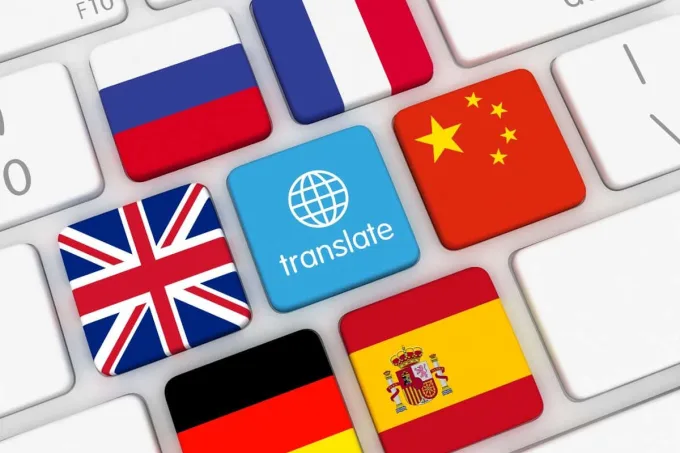
In today’s globalized world, the demand for legal and certified translations is growing rapidly, especially for individuals and businesses operating across borders. Sworn-certified translations and legal translations, though similar in nature, serve distinct purposes and are essential in different contexts. Understanding these differences is crucial for ensuring that your documents are handled correctly and meet the necessary legal standards.
Sworn-Certified Translations
A sworn-certified translation is an official translation carried out by a certified translator who has been accredited by a recognized governing body. These translators are authorized to translate documents such as birth certificates, diplomas, marriage licenses, contracts, and court documents. Their work is legally recognized by government agencies, courts, and other institutions. What makes sworn-certified translations unique is that the translator takes legal responsibility for the accuracy of the translation, certifying it with their signature, stamp, or seal. This certification guarantees that the translated document is a faithful and accurate representation of the original text.
Sworn-certified translations are often required in legal and official matters, such as visa applications, citizenship processes, or international business dealings. The translated document, along with the translator’s certification, ensures that it will be accepted by foreign authorities as a legitimate and accurate legal document.
Legal Translations
Legal translations, on the other hand, refer to the translation of any document that contains legal language or is intended for legal use. These documents can include contracts, court rulings, patents, or laws. Legal translation requires a deep understanding of legal terminology and the legal systems of both the source and target languages.
While legal translations do not always need to be certified, they must be handled by translators with expertise in the legal field to ensure accuracy and clarity. In some cases, legal translations may also require certification if they are to be submitted to a court or government body.
In conclusion, while both sworn-certified and legal translations are vital in legal and official contexts, it is essential to know which type of translation is required for your specific needs. Choosing the right service ensures that your documents will be accepted and recognized by the relevant authorities.



Medical Translations
Medical translations play a vital role in ensuring effective communication between healthcare providers, patients, and institutions across different languages and cultures. These translations involve converting medical documents, research papers, clinical trial reports, pharmaceutical instructions, patient records, and other healthcare-related materials from one language to another while maintaining accuracy and cultural relevance.

Sworn-Certified Translations
The stakes in medical translations are exceptionally high because any error could result in misunderstandings, compromised patient safety, or legal issues. For this reason, medical translators must have a strong grasp of medical terminology, anatomy, and pharmacology. Their work requires a deep understanding of both the source and target languages and the specific healthcare systems and regulations involved.
Beyond linguistic skills, a medical translator must be detail-oriented and precise, as well as familiar with the latest advancements in medical science and technology. This is especially important when translating materials related to clinical trials, medical devices, or pharmaceutical drugs, where the slightest ambiguity or mistranslation can lead to serious consequences.
Cultural sensitivity also plays a crucial role in medical translations. Health-related concepts and treatment approaches vary significantly between cultures, so translators must ensure that the translated content is not only linguistically accurate but also culturally appropriate. For instance, certain medical advice or practices might need to be adapted to fit the cultural context of the target audience, without changing the core meaning or instructions.
In addition, the growing demand for medical translations is driven by globalization and the increasing movement of people across borders, whether for work, study, or medical tourism. As healthcare becomes more globalized, the need for accurate medical translations will continue to rise, making the role of specialized medical translators even more essential.
In conclusion, medical translations require a high level of expertise, precision, and cultural understanding. They are critical for bridging language barriers in healthcare, ensuring that patients receive accurate information and proper care, regardless of their linguistic background.
Technical Translations
Technical translations are specialized translations that involve converting complex technical documents, manuals, guides, patents, and other scientific or engineering content from one language to another. These translations require a deep understanding of the subject matter and terminology specific to fields like engineering, IT, manufacturing, aerospace, automotive, and other technical industries. Accuracy and clarity are paramount in technical translations, as any mistake can lead to operational inefficiencies, safety risks, or legal liabilities.
One of the key challenges in technical translation is the precise use of industry-specific jargon. The translator must have expertise in the field and be familiar with the technical language used by professionals. For example, translating a user manual for a sophisticated piece of machinery requires not only linguistic skills but also a deep understanding of the machine’s operation and the specific terms used to describe its components and processes. Without this knowledge, the translation could lead to misinterpretation, potentially causing accidents or malfunctions.

Additionally, technical translators must often work with specialized software and tools, such as Computer-Aided Translation (CAT) tools, that help maintain consistency across large volumes of text. These tools store terminology databases and translation memories, which are essential for ensuring uniformity in terminology and phrasing, particularly when dealing with extensive documentation.
Another important aspect of technical translation is cultural adaptation. While technical content is often more universal than other types of content, there are still cultural nuances to consider. For instance, measurement systems, safety standards, and regulatory requirements can differ between countries. The technical translator must be aware of these differences and adapt the content to meet the local standards without altering the original intent or functionality of the material.
In conclusion, technical translations require a high level of expertise, both linguistically and technically. Translators must not only master the languages but also be knowledgeable about the industry and its specific terminologies. Their work is crucial for enabling global industries to function effectively, ensuring that technical content is accurately communicated across borders.

The Importance of Website Translation and Localization for Global Success
In today’s interconnected world, businesses are increasingly recognizing the need to reach international audiences. Website translation and localization are crucial strategies for companies aiming to expand their market presence and enhance user experience across different regions.

Understanding Website Translation and Localization
Website translation involves converting text from one language to another, ensuring that the content is comprehensible to speakers of the target language. However, translation alone is not enough. Localization takes this a step further by adapting the content to fit cultural, regional, and linguistic nuances. This includes modifying images, currencies, date formats, and even adjusting the tone to resonate with local audiences.
Why Localization Matters
Localization is essential because it addresses the cultural and contextual differences that mere translation might miss. For instance, a marketing message that works in the U.S. might not be effective in Japan due to cultural differences. Localization helps in avoiding cultural faux pas and ensures that the content is relevant and engaging for the target audience.
Benefits of Website Translation and Localization
- Enhanced User Experience: A localized website provides a seamless experience for users by presenting content in their native language and context. This increases user satisfaction and engagement, leading to higher conversion rates.
- Broadened Market Reach: By translating and localizing your website, you can tap into new markets and reach a global audience. This is particularly important for e-commerce businesses aiming to sell products internationally.
- Competitive Advantage: Companies that invest in localization demonstrate a commitment to their global customers, which can set them apart from competitors who only offer content in a single language.
- Improved SEO: Localized websites can enhance search engine optimization (SEO) by using keywords and phrases relevant to the target market, improving visibility in local search results.
Best Practices for Effective Localization
- Cultural Research: Understand cultural differences and preferences to tailor content accordingly.
- Professional Translation Services: Use experienced translators and localization experts to ensure accuracy and cultural relevance.
- Continuous Updates: Regularly update localized content to keep it fresh and relevant.
In conclusion, website translation and localization are not just about language conversion but about creating a meaningful connection with global audiences. By investing in these processes, businesses can significantly improve their international presence and achieve long-term success in diverse markets.